Inpatient PMHNP: The Hospital Psychiatric Nurse Practitioner Role
An inpatient (hospital) PMHNP is a psychiatric-mental health nurse practitioner who works on an acute unit rather than in an outpatient clinic: stabilizing patients in crisis, managing involuntary holds, running complex medication regimens, and providing consult-liaison coverage on medical floors. It is a setting within the PMHNP credential, not a separate license. Because BLS does not publish a salary specific to inpatient PMHNPs, we anchor pay to the psychiatric-NP baseline near $137,000 and label the inpatient band as a typical reported range. This guide covers what the role involves, how to enter it (the PMHNP pathway, with psychiatric and acute RN experience strongly valued), the education and certification required, what hospital psychiatric NPs realistically earn and why the pay trends higher, the job outlook, and the honest tradeoffs.
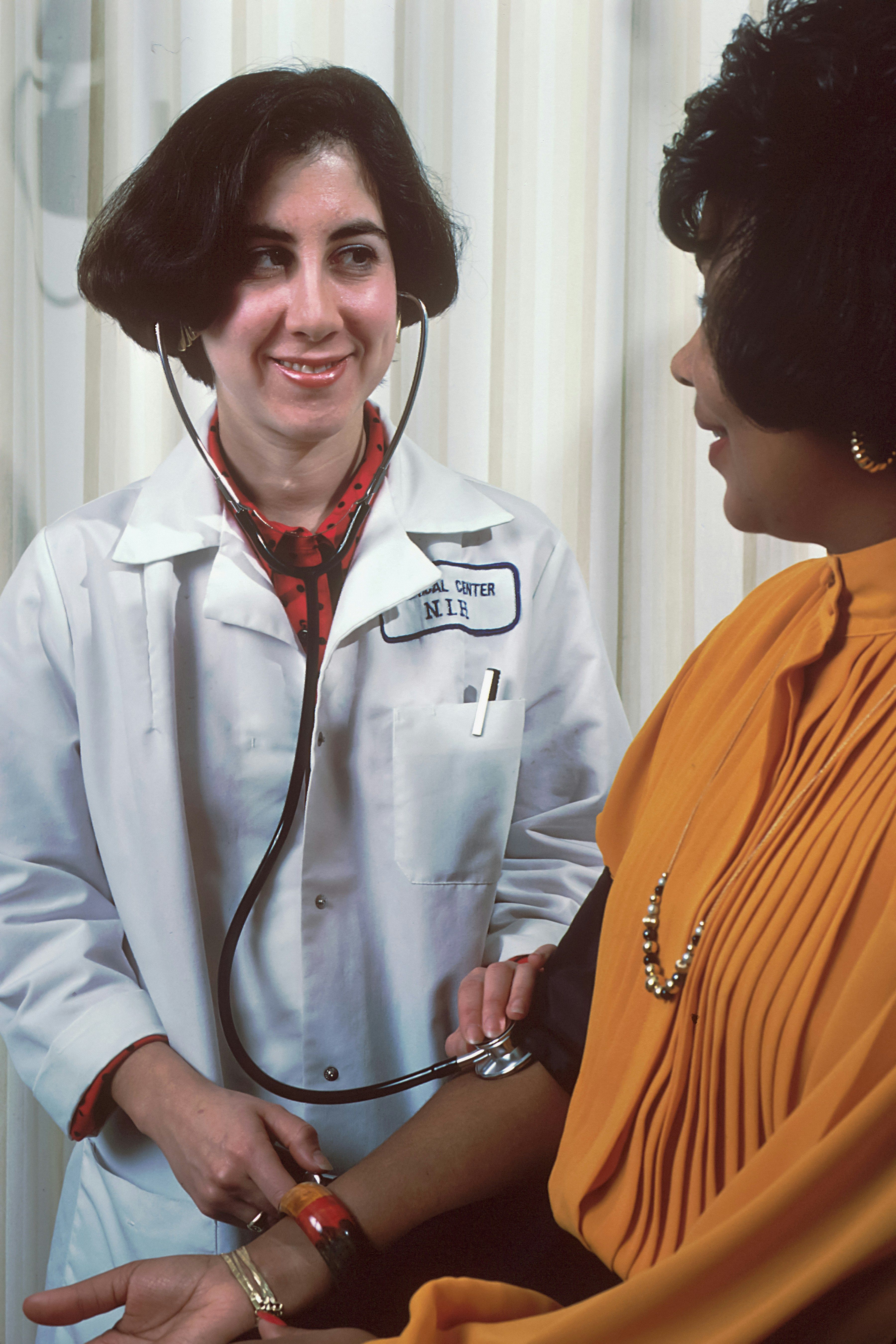
Inpatient PMHNP: The Hospital Psychiatric Nurse Practitioner Role at a glance
Inpatient PMHNP is a practice setting, not a separate credential. You hold the same ANCC PMHNP-BC (Across the Lifespan) certification as any other PMHNP; "inpatient" describes where you work (a psychiatric hospital, a general-hospital psych unit, or a crisis/consult-liaison service), not a different license.
The role manages higher acuity. Inpatient PMHNPs handle crisis stabilization, involuntary holds, complex and rapidly changing medication regimens, and consult-liaison work on medical floors. The patients are sicker, the decisions are faster, and the prior psychiatric RN experience you bring matters more than the 500-hour clinical minimum suggests.
There is no published salary figure specific to inpatient PMHNPs. BLS reports wages for nurse practitioners as a whole, not sub-roles, so we anchor to the psychiatric-NP baseline near $137,000 (see our PMHNP salary guide). The inpatient band below is a typical reported range, not a BLS figure.
Hospital-based work tends to pay above the outpatient median. The BLS median for all nurse practitioners is $132,300 (May 2025), and NPs in psychiatric and substance-use settings earn a median near $142,100. Per BLS industry data, hospital-based NPs trend above the all-NP median, and reported inpatient PMHNP pay (commonly $130,000 to $170,000) reflects acuity, on-call duties, and shift differentials.
Demand is structural. Roughly 170 million Americans live in a Mental Health Professional Shortage Area, and the BLS projects nurse practitioner employment to grow about 41% from 2025 to 2035. Acute psychiatric beds are chronically understaffed, so inpatient PMHNPs are in steady demand.
What Does an Inpatient (Hospital) PMHNP Do?
An inpatient PMHNP is a Psychiatric-Mental Health Nurse Practitioner who practices in a hospital setting rather than an outpatient clinic. The credential is identical to any other PMHNP: a master's- or doctoral-prepared APRN holding the ANCC PMHNP-BC (Across the Lifespan) certification. What changes is the acuity and pace of the work. On an inpatient unit you are managing the sickest psychiatric patients in the system: people admitted in acute crisis, on involuntary holds, or transferred from an emergency department after a suicide attempt or psychotic break.
The work is different from outpatient medication management in three concrete ways. First, the acuity is higher. You stabilize patients in active crisis, titrate medications quickly, and reassess daily (sometimes hourly) rather than across monthly visits. Second, the legal and safety stakes are higher. You assess and document for involuntary holds, manage agitation and safety on a locked unit, and coordinate disposition. Third, you work inside a team and around the clock. Inpatient PMHNPs round with psychiatrists, nurses, social workers, and case managers, and most inpatient and consult roles carry some on-call or shift coverage.
A large share of hospital PMHNP work is consult-liaison (CL): the psychiatry service is asked to evaluate a patient admitted to a medical or surgical floor for delirium, capacity questions, suicidality, substance withdrawal, or psychiatric symptoms complicating a medical illness. CL work rewards a PMHNP who is comfortable at the intersection of medicine and psychiatry and who can communicate clearly with non-psychiatric teams.
The throughline is that inpatient PMHNP work favors clinicians with real psychiatric and acute-care nursing experience. Many of the strongest inpatient PMHNPs worked as psychiatric RNs, ED nurses, or behavioral-health staff before becoming NPs, and that background shows up in how confidently they handle a deteriorating patient at 2 a.m.
Core duties
- Admit, stabilize, and manage acute psychiatric patients on a locked inpatient unit, reassessing daily and adjusting medications rapidly
- Assess for and document involuntary holds, decisional capacity, and risk (suicidality, homicidality, agitation) within the unit's legal framework
- Manage complex and high-acuity medication regimens, including antipsychotics, mood stabilizers, and medications for substance withdrawal
- Provide consult-liaison (CL) psychiatry coverage to medical and surgical floors for delirium, capacity, withdrawal, and psychiatric comorbidity
- Round with the interdisciplinary team (psychiatrists, nurses, social workers, case managers) and lead or contribute to treatment planning
- Coordinate safe discharge and step-down to outpatient, partial-hospitalization, or residential care
- Respond to acute behavioral emergencies, including agitation and crisis stabilization, often under on-call coverage
- Document and order across the hospital EHR for psychiatric evaluations, daily progress notes, and medication management
Common specializations
Where Inpatient PMHNPs Work: Psychiatric Hospitals, Med-Floor Consults, and Crisis Units
Freestanding Psychiatric Hospitals
General-Hospital Psychiatric Units
Consult-Liaison (CL) Psychiatry Services
Crisis Stabilization and Psychiatric Emergency Services
How to Become an Inpatient PMHNP
There is no separate "inpatient PMHNP" license. You become a PMHNP, then enter (or move into) hospital-based practice. The pathway runs through nursing: become a registered nurse, earn a graduate PMHNP degree, certify as a PMHNP, and get state APRN licensure. For the inpatient setting specifically, prior psychiatric or acute-care RN experience is the single most valuable thing you can bring. The full credential pathway is covered in our how to become a PMHNP guide; below is the version tuned for the hospital track.
Become a Registered Nurse (RN) With a BSN
2 to 4 yearsGet Psychiatric or Acute-Care RN Experience (Especially Important for Inpatient)
1 to 3 years (often concurrent with grad-school planning)Choose an Accredited PMHNP Program (MSN or DNP)
2 to 3 years (MSN) or 3 to 4 years (BSN-to-DNP)Complete Supervised Clinical Hours (Seek Inpatient Rotations)
12 to 24 months (concurrent with coursework)Pass the PMHNP Certification Exam and Get Licensed
2 to 4 monthsApply to Hospital and Acute Psychiatric Roles
1 to 3 months to hireEducation and Certification for an Inpatient PMHNP
The education for an inpatient PMHNP is the same graduate PMHNP education required for any PMHNP, because inpatient is a practice setting, not a separate credential. You need a graduate nursing degree (there is no bachelor's-level or RN-only route) from a CCNE- or ACEN-accredited PMHNP program, plus the ANCC PMHNP-BC certification and state APRN licensure.
What you can optimize for the hospital track is your clinical placements and your nursing background. A program that can rotate you through an acute inpatient unit or a consult-liaison service gives you directly relevant experience, and that is worth asking about before you enroll. Accreditation and clinical placement support, not prestige, are the variables that actually determine whether you graduate prepared and on time. Our PMHNP program rankings score schools on exactly those factors.
Hard requirements
- An active, unencumbered RN license (earned via a BSN or an RN-to-MSN/direct-entry bridge)
- A master's (MSN), post-graduate certificate, or DNP with a PMHNP (Across the Lifespan) focus from a CCNE- or ACEN-accredited program
- The three graduate APRN core courses: advanced physiology/pathophysiology, advanced health assessment, and advanced pharmacology
- A minimum of 500 faculty-supervised clinical hours; for the inpatient track, prioritize programs that can place acute or consult-liaison rotations
- A passing score on the ANCC PMHNP-BC certification exam
- State APRN licensure, prescriptive authority, and DEA registration; strong inpatient candidates also bring prior psychiatric or acute-care RN experience
Recommended programs
Inpatient PMHNP Salary: Why Hospital Psychiatric NPs Trend Higher
There is no published salary figure specific to inpatient or hospital PMHNPs. The Bureau of Labor Statistics reports wages for nurse practitioners as a single occupation, not for psychiatric sub-roles or practice settings, so any precise "inpatient PMHNP salary" you see online is an estimate. We anchor to the psychiatric-NP baseline near $137,000 from our PMHNP salary guide and treat the inpatient range as a typical reported band, not a BLS number.
What the data does support: the BLS median for all nurse practitioners is $132,300 (May 2025), NPs in psychiatric and substance-use settings earn a median near $142,100, and per BLS industry data hospital-based NPs trend above the all-NP median. Reported inpatient PMHNP pay commonly lands around $130,000 to $170,000 (labeled as reported, not BLS), and it trends toward the higher end for three reasons: acuity (sicker, more complex patients), on-call burden (nights, weekends, and call coverage), and shift differentials that add to base pay. For a full breakdown of how setting shapes psychiatric NP pay, see our PMHNP salary by setting guide, or the inpatient PMHNP salary page.
National pay band
growth · 2025–35
About 461,000 licensed NPs nationally; PMHNP is among the fastest-growing NP focuses, and acute psychiatric beds are chronically understaffed
Top-paying factors
- Acuity premium. Inpatient units manage the sickest psychiatric patients, and the higher complexity and risk tend to pay above outpatient general psychiatry (reported, not a BLS sub-role figure)
- On-call and shift coverage. Nights, weekends, and call duties common in hospital roles add pay through differentials and call stipends
- Hospital setting. Per BLS industry data, NPs in hospitals trend above the all-NP median, which supports the higher end of reported inpatient PMHNP ranges
- Consult-liaison and crisis roles. CL psychiatry and psychiatric emergency coverage are specialized and harder to staff, which can command premiums
- Prior psychiatric or acute RN experience. Hospitals favor and often pay more for PMHNPs who can independently manage high-acuity patients from day one
Demand for inpatient psychiatric prescribers is structural and unlikely to soften. The BLS projects nurse practitioner employment to grow about 41% from 2025 to 2035, far faster than the average for all occupations; the broader nurse-anesthetist, nurse-midwife, and nurse-practitioner group is projected to grow about 36% with roughly 32,200 openings each year. Psychiatric-mental health is among the fastest-growing NP focuses within that.
The driver is a genuine shortage of psychiatric care. Roughly 170 million Americans live in a federally designated Mental Health Professional Shortage Area. Acute psychiatric beds are chronically understaffed, emergency departments board psychiatric patients waiting for an inpatient bed, and consult-liaison services are stretched. Because PMHNPs are the main clinicians besides psychiatrists who can prescribe psychiatric medication, hospitals lean on them to keep units and consult services running.
For someone targeting inpatient work, that translates into steady hiring, real negotiating leverage, and a setting that is harder to offshore or fully replace with telehealth than outpatient medication management. The tradeoff, covered below, is the acuity and on-call load that come with the hospital environment.
Pros and Cons of Inpatient Hospital PMHNP Work (Honest Version)
Both columns are real. Inpatient PMHNP: The Hospital Psychiatric Nurse Practitioner Roles who leave usually cite the cons here, not the pay.
What works
- Steady, structural demand. Acute psychiatric beds are chronically understaffed and hospitals rely on PMHNPs to keep units and consult services running, which gives inpatient candidates real leverage
- Pay trends above outpatient general psychiatry. Acuity, on-call duties, and shift differentials push reported inpatient pay toward the higher end of the psychiatric NP range
- Clinically rich and fast-moving. You manage the sickest patients, see rapid responses to treatment, and sharpen high-acuity decision-making that outpatient work rarely demands
- Team-based, with built-in support. You round alongside psychiatrists, nurses, and social workers, which suits clinicians who prefer collaboration over solo practice
- Rewards prior psychiatric and acute RN experience. If you came up as an inpatient psych or ED nurse, that background is directly valued and shortens your ramp
The hard parts
- On-call and shift burden. Nights, weekends, and call coverage are common, and the unpredictable hours are a real lifestyle cost
- High acuity and high stakes. Involuntary holds, agitation, suicidality, and crisis stabilization carry significant emotional load and burnout risk
- No published salary specific to the role. BLS reports NP wages, not inpatient sub-role figures, so pay expectations have to be built from the psychiatric NP baseline and reported ranges rather than an official number
- Less autonomy than independent outpatient practice. Inpatient work is team-based and often involves attending psychiatrists, so it does not offer the independent cash-pay upside of private practice
- Hospital clinical placements can be hard to secure. If you want inpatient rotations during your PMHNP program, you may need to push your program for acute placements, which are scarcer than outpatient ones
A Day in the Life of an Inpatient PMHNP
An inpatient PMHNP day is built around rounding, admissions, acute management, and team coordination rather than scheduled outpatient appointment blocks. The exact mix depends on the unit (adult acute, child/adolescent, crisis, or consult-liaison), but most days revolve around assessing change in high-acuity patients and keeping the unit moving safely. Here is a realistic snapshot of an adult acute inpatient PMHNP day.
- 1 7:30 AM, receive sign-out from overnight coverage; review any overnight events, new admissions, and patients flagged for safety concerns
- 2 8:00 AM, interdisciplinary rounds with the psychiatrist, charge nurse, social worker, and case manager to set the day's plan for each patient
- 3 9:00 AM, individual patient assessments: reassess mental status, adjust and titrate medications, and document daily progress notes
- 4 10:30 AM, complete a new admission from the emergency department, including a full psychiatric evaluation and an involuntary-hold assessment
- 5 12:00 PM, lunch while charting and responding to nursing questions about medication orders
- 6 1:00 PM, consult-liaison request: evaluate a medical-floor patient with delirium and capacity questions, then advise the primary team
- 7 2:30 PM, respond to an acute behavioral emergency on the unit; assess agitation and adjust the management plan
- 8 3:30 PM, discharge planning for two stabilizing patients, coordinating step-down to outpatient and partial-hospitalization care
- 9 4:30 PM, finish documentation, reconcile medications, and hand off to evening coverage
- 10 On call (rotating), field overnight questions on medication changes, new holds, and safety events by phone
Related careers
Psychiatric-Mental Health Nurse Practitioner (PMHNP)
The full credential. Inpatient practice is one setting within the PMHNP role, which spans outpatient, telehealth, and hospital work.
Psychiatric Nurse (RN)
The entry rung most inpatient PMHNPs start on. Acute psychiatric RN experience is the single best preparation for hospital prescriber work.
Nurse Practitioner
The broader NP umbrella. PMHNP is one population focus, and hospital-based NPs trend above the all-NP median per BLS industry data.
Addiction PMHNP
A related higher-acuity focus. Inpatient detox and substance-withdrawal management overlaps heavily with addiction psychiatric practice.
Pick a program.
Compare accredited inpatient pmhnp: the hospital psychiatric nurse practitioner role programs side by side. No paid placements, just the data.
Inpatient PMHNP: The Hospital Psychiatric Nurse Practitioner Role questions, answered
What is an inpatient PMHNP?+
Is "inpatient PMHNP" a separate certification or license?+
How do I become an inpatient PMHNP?+
How much do inpatient PMHNPs make?+
Why do inpatient PMHNPs tend to earn more than outpatient ones?+
What does an inpatient PMHNP do that an outpatient one does not?+
Do I need prior psychiatric RN experience to work inpatient?+
Every figure on this page traces to a primary source.
- [1] ANCC, Psychiatric-Mental Health Nurse Practitioner (Across the Lifespan) Certification (PMHNP-BC)
- [2] U.S. Bureau of Labor Statistics, Occupational Outlook Handbook: Nurse Anesthetists, Nurse Midwives, and Nurse Practitioners
- [3] Health Resources & Services Administration (HRSA), Health Professional Shortage Areas: Mental Health
- [4] American Association of Nurse Practitioners (AANP), What Is a Nurse Practitioner